News
Back to News

This article originally appeared on Arizona Republic: Arizona agriculture is redefining the future from the desert | Opinion
Arizona agriculture is redefining the future from the desert | Opinion
By Michael M. Crow
I am a university president who did his undergraduate work in the state of Iowa and who has studied agricultural regions in more than 15 countries, but on a recent trip to Yuma I saw the most sophisticated agricultural facilities that I have ever visited. The design, the systems, the structure, the variability, and the use of drones and technology were world-class.
In a state well known for the Grand Canyon and the saguaro cactus, it’s easy to overlook the quietly muscular force that is Arizona agriculture. From the Colorado River Valley to Pinal County to the Salt River Valley to the Verde Valley and all the way north to the Colorado Plateau, each region contributes its own agricultural personality to the state.
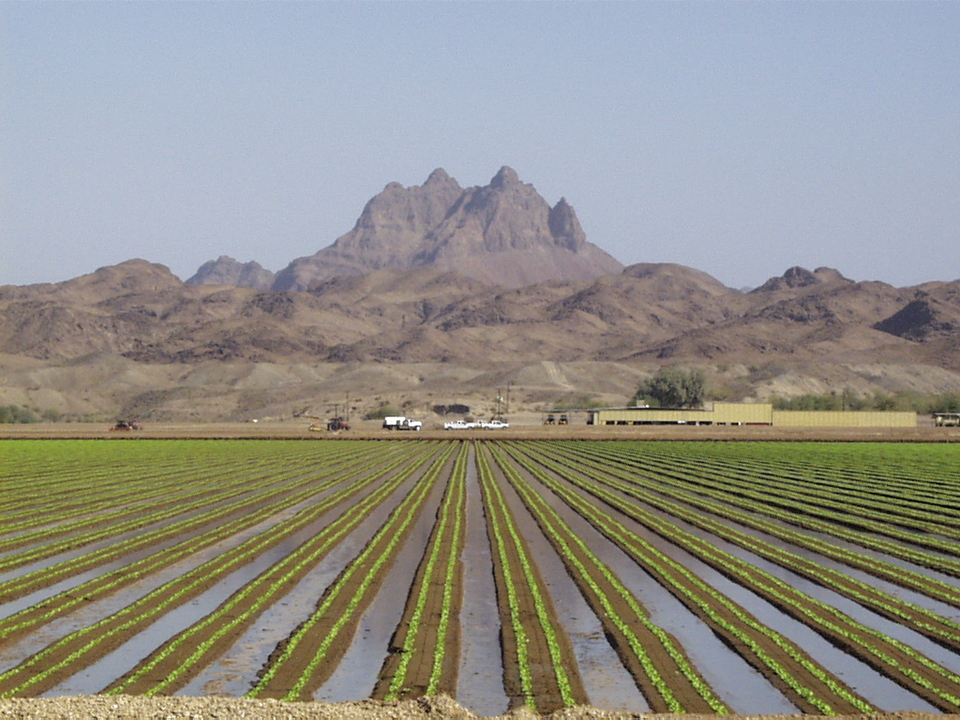
Yuma, sitting in a sun-scorched corner of the Sonoran Desert where farming is a bit of a magic trick, is perhaps the state’s oldest and now certainly its most prolific region. Spend one day there, as I did, aided by a fantastic tour by lifelong farmer, Yuma resident and state Sen. Tim Dunn, and you quickly realize that the standard assumptions about desert farming completely miss the mark.
Agriculture thrives in the Yuma corridor not by convenience, but by design. This is not a scrappy fight for survival; it’s a master class in engineering, innovation and operational efficiency. It’s the kind of transformation that forces you to rethink what a desert can do and what a state can become when it backs its farmers with research, technology and vision.
What makes Yuma extraordinary isn’t just productivity. Many regions grow food — few do it with this level of orchestration.
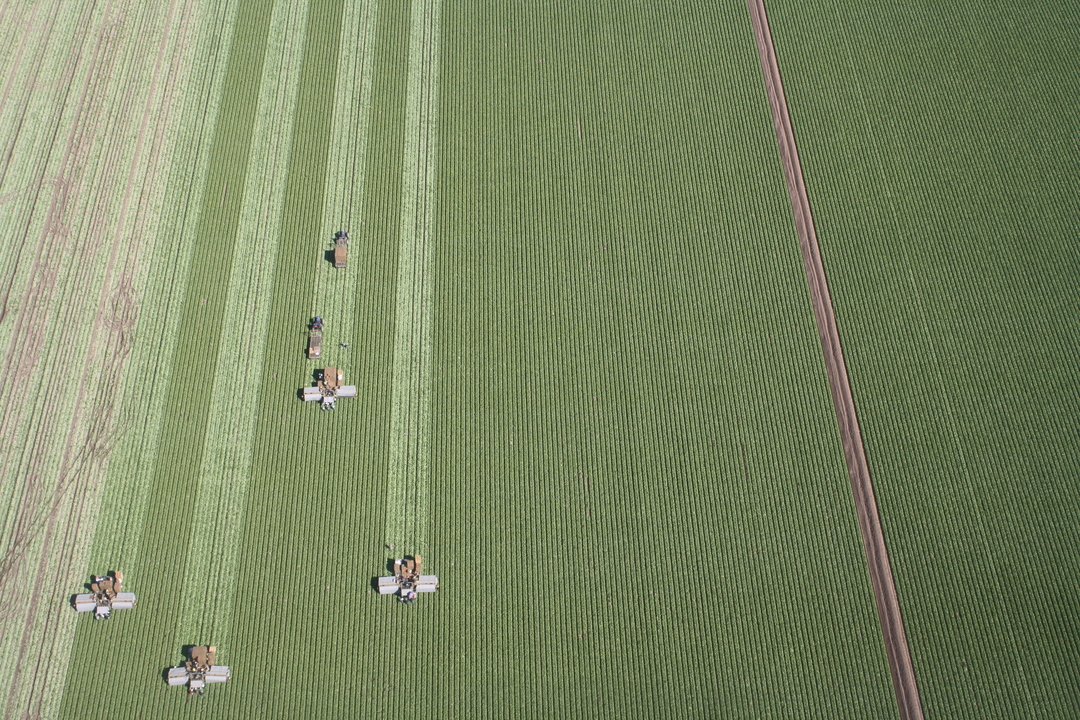
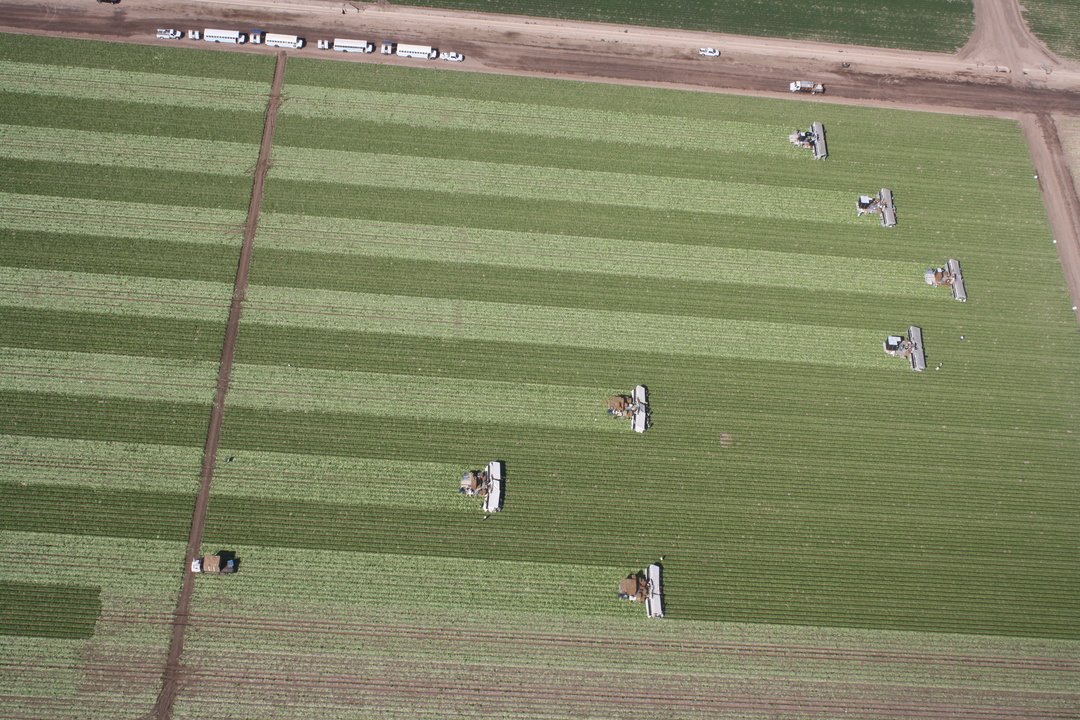
At the farms I visited (Smith Farms, Amigo Farms and GreenGate Fresh) the fields are engineered like precision instruments. Rows of spinach are planted with mathematical consistency. Water flows through gravity-fed canals designed with intentionality. Drones patrol fields, deterring birds that could contaminate organic crops. The harvesting machines operate like rolling ecosystems — cutting, washing, transporting and coordinating teams of skilled workers who know exactly how to select, handle and prepare produce with a level of discipline one usually associates with high-tech manufacturing.
In one processing facility, I watched lettuce move from field to bag at a stunning pace that you would have thought impossible, with a focus on farm-to-market that seemed immediate. When you see workers selecting the perfect heads of Bibb lettuce, passing them in a smooth rhythm to conveyors where they’re washed, bagged, boxed and chilled — all on one moving platform — you realize you aren’t watching “farming” as most Americans imagine it. You’re witnessing a technology-enhanced form of agricultural choreography.
The scale is impressive. Yuma is often called the nation’s winter vegetable capital, but even that title undersells its role in national food security. At times from November to March, up to 90% of all leafy greens consumed in the United States come from Yuma County. This isn’t just a statistic — it’s a supply chain the rest of the country depends on but rarely sees, let alone appreciates. Yuma’s farmers carved a world-class agricultural engine out of alluvial soil, and their work turns a harsh landscape into a winter salad bowl every year.
This sophistication is not accidental. It’s the direct result of decades of adaptation, innovation and collaboration between farmers, researchers and state leaders who understand that Arizona’s agriculture is not a part of its past, but an important part of its future.
That long-term commitment took a major step forward recently when the Arizona Board of Regents approved a $3 million grant to launch the Arizona Hub for Agriculture Innovation, driven by all three state universities and anchored in Yuma. This investment will support infrastructure that is the digital nervous system of modern farming, allowing growers to conserve water, reduce chemical inputs and manage fields with unbelievable accuracy.
Arizona agriculture is not an artifact of the past. It is a critical part of our future. A future where food security comes from ingenuity, where universities and farmers build together, and where desert land doesn’t just produce — it excels.
Don’t just take my word for it. If you want to understand why agriculture matters in Arizona, go to Yuma. Watch spinach being harvested with the elegance of a technological ballet. Watch lettuce roll from field to bag in minutes. Watch ingenious farmers like Tim Dunn create a desert that refuses to behave like one.
Arizona isn’t asking whether farming can survive here. It’s demonstrating, boldly, that farming can thrive here — and lead the world while doing it.
 Arizona agriculture is redefining the future from the desert